
Air India Faces Leadership Reset Moment
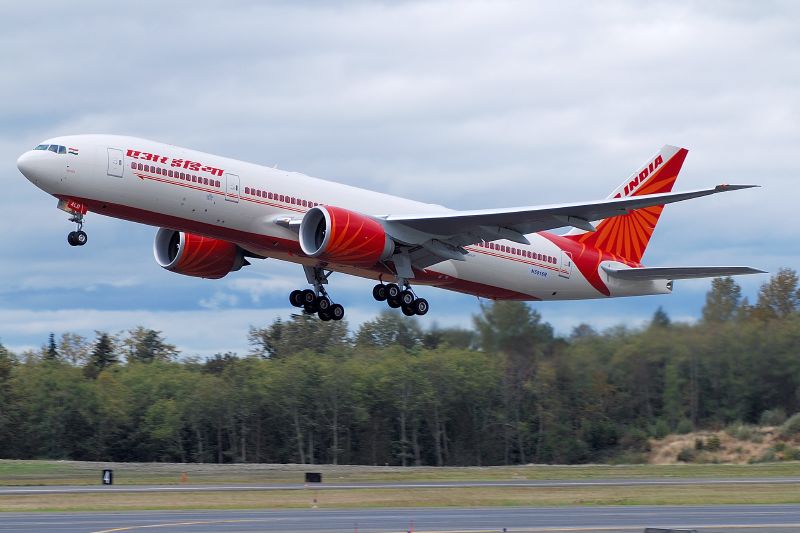
Air India is entering a fresh phase of uncertainty after chief executive Campbell Wilson stepped down at a moment when the carrier is under financial, operational and regulatory pressure. The change comes during a critical stretch for Tata Group’s attempt to rebuild the former state-owned airline into a durable full-service competitor with global scale.
Wilson took over in 2022 after Tata regained control of Air India, with a mandate to lead a complex turnaround that combined fleet renewal, service improvement and organisational integration. His departure comes before the end of his contract, which had been due to run until mid-2027, and follows earlier reporting that Tata had already begun considering succession options. He is expected to remain in place during a notice period while a replacement is identified, a sign that the group is seeking continuity even as it acknowledges the need for a leadership change.
The timing is significant because the airline is facing what Bloomberg described as its largest annual loss on record, driven by integration costs and broader operating strain. Reuters reported that Air India and Air India Express together posted a combined loss of ₹98.08 billion for 2024-25. That financial pressure has been compounded by aircraft delivery delays, airspace disruptions linked to Pakistani restrictions, and the wider effect of conflict in the Middle East on routing and fuel economics. At the same time, the airline has had to contend with heightened scrutiny after a 2025 crash that killed 260 people, as well as safety-related regulatory issues that have added reputational weight to the turnaround challenge.
From a leadership perspective, the resignation matters less as an isolated personnel event than as a test of Tata’s willingness to recalibrate the turnaround before losses and operational setbacks become more deeply embedded. Air India operates a fleet of 191 aircraft and has more than 500 on order, leaving the next chief executive with a balance-sheet challenge, an execution challenge and a credibility challenge all at once. The unresolved question is whether the group now wants a continuity appointment to complete the existing plan, or a more forceful operator to redefine it.